


So, you're wondering what security window film actually costs. Let's get right to it.
On average, you should budget anywhere from $7 to $25 per square foot for a professional installation. That's a pretty wide range, and where your project falls depends on the film's thickness, any extra features you need, and the complexity of the job itself.
Your Quick Guide To Security Window Film Costs
Thinking about the investment in security window film is a bit like buying armor for your windows. A basic shield offers a solid layer of protection, but a reinforced, multi-layered one is going to cost more because it does more. You aren't just buying a sheet of plastic; you're investing in a serious protective barrier.
The final price isn't a single flat rate but a spectrum influenced by a handful of key factors. This quick overview will give you a clear, high-level picture of what to expect. We'll break down the pricing so you can see where your project might land before we get into the nitty-gritty details.
Estimated Security Window Film Costs At A Glance
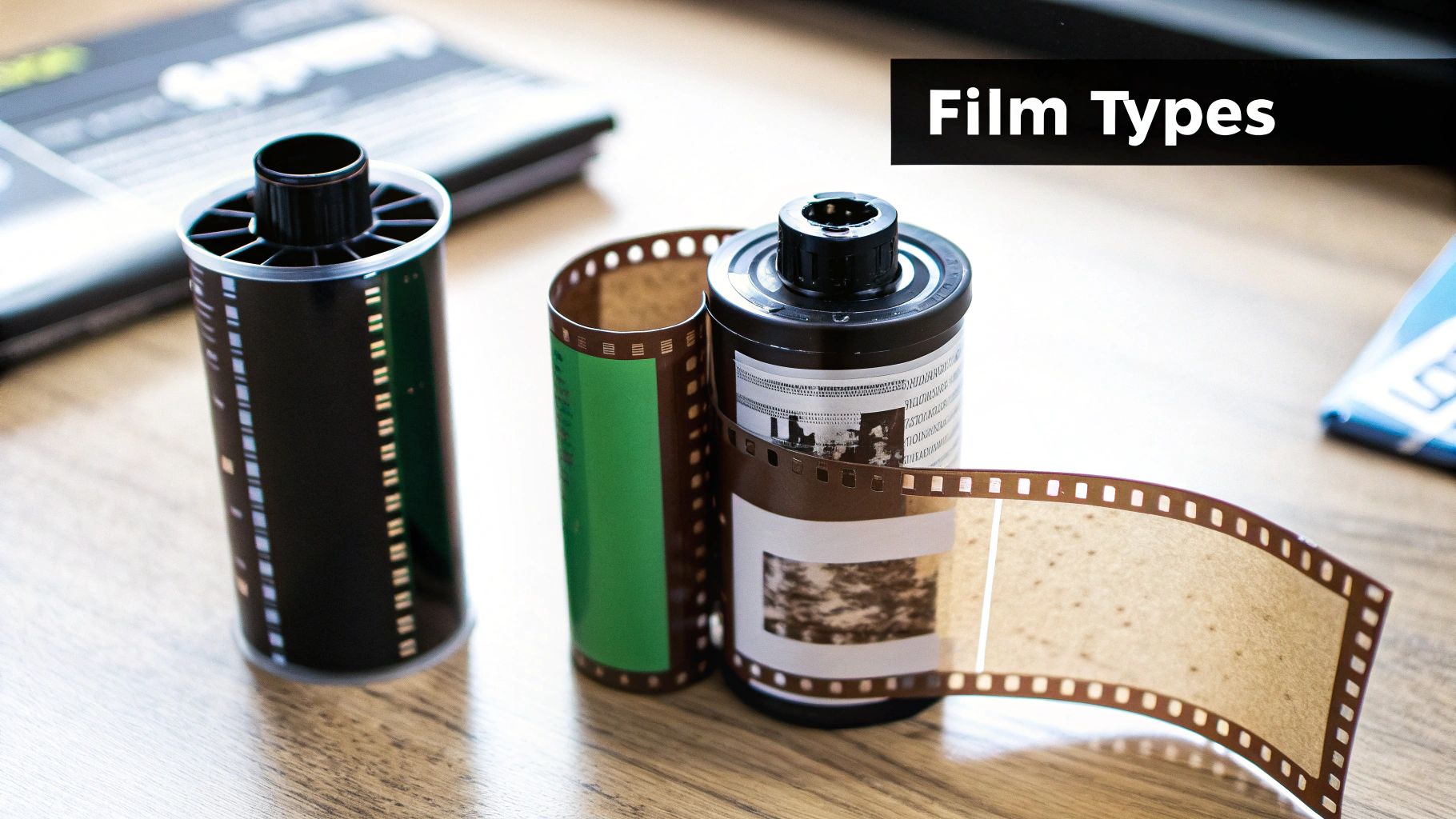
To help you start budgeting, it helps to see the numbers laid out. The biggest factors that drive the price up or down are the film's specific type and its thickness, which is measured in mils (one-thousandth of an inch). For example, a standard 4-mil film offers great baseline protection against accidental breakage, while a robust 14-mil film is built to resist more determined forced entry attempts.
This table gives you a straightforward summary of typical cost ranges based on those primary factors.
| Film Type & Thickness | Average Cost Per Square Foot (Installed) | Best For |
|---|---|---|
| Clear Safety Film (4-8 mil) | $7 – $12 | Basic shatter resistance, protection from accidental impacts, and deterring smash-and-grab thieves. |
| Heavy-Duty Security (8-14 mil) | $12 – $18 | Enhanced forced-entry resistance for high-risk areas like ground-floor windows and commercial storefronts. |
| Solar Control Security Film | $15 – $22 | Combining robust security with added benefits like UV protection and energy savings from reduced heat. |
| Advanced Ballistic-Rated Film | $25+ | Specialized applications in high-security environments needing protection from the most severe threats. |
Keep in mind, these are ballpark figures. They give you a solid starting point for understanding how different levels of protection translate into cost. The right choice for you will always depend on your specific security goals and your property's unique vulnerabilities.
What Really Drives Your Total Cost
While a simple pricing table can give you a ballpark idea, understanding the why behind those numbers is where you really start to make smart decisions. The final price tag for security window film is a mix of several key factors, and each one plays a huge part in what you'll pay and the protection you'll get. It's less like buying something off the shelf and more like commissioning custom-fit armor for your property.
Knowing what goes into the cost helps you invest in the right level of security without overpaying for features you just don't need. And it's a popular investment for a reason—the global market for security window film was valued at around USD 1.5 billion in 2025 and is expected to climb to nearly USD 2.8 billion by 2033. That's a lot of home and business owners deciding this is a worthwhile upgrade. You can dig deeper into what's fueling this growth in this security window film projections report.
This graphic breaks down the main cost drivers we're about to walk through.
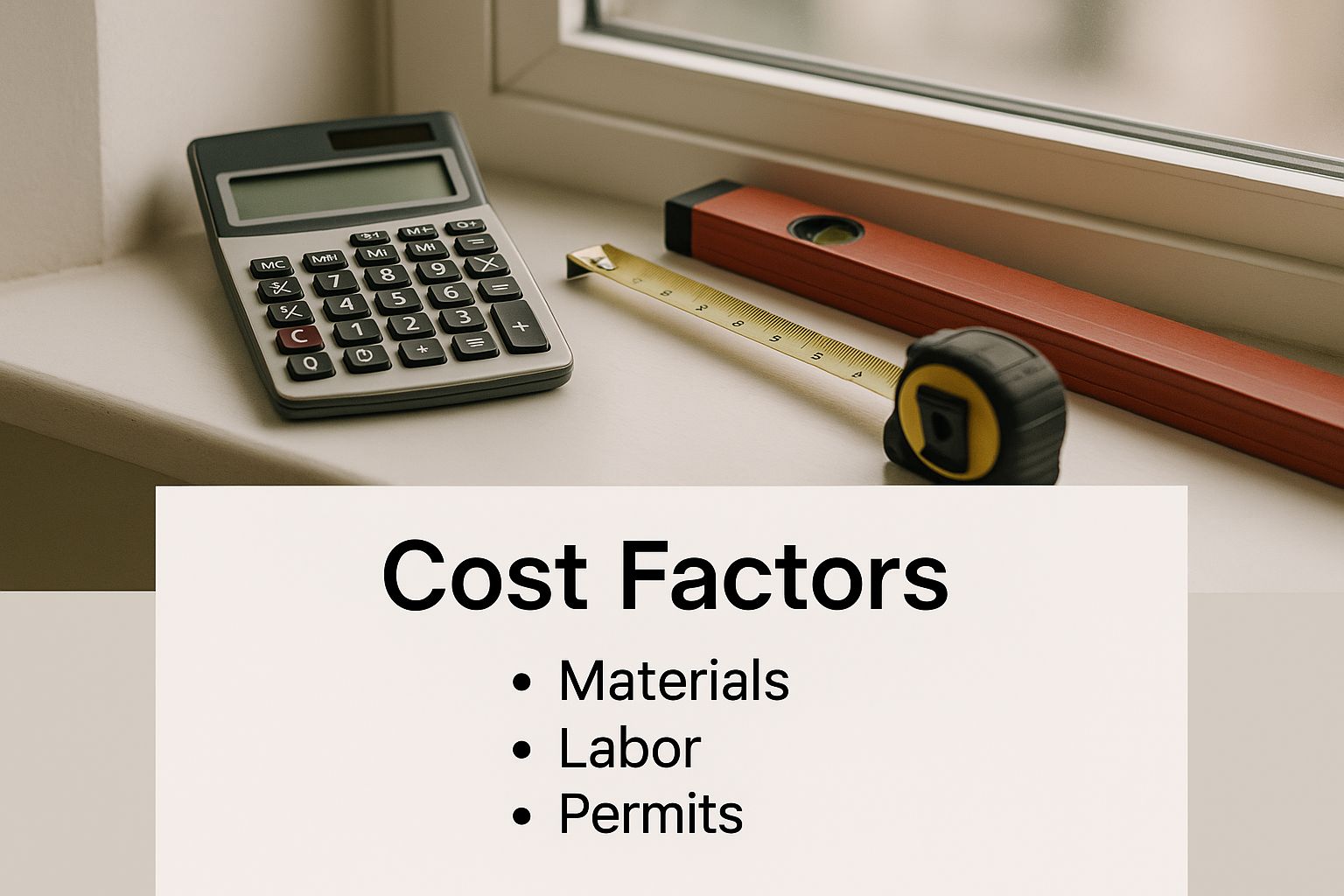
As you can see, the final invoice is a blend of your film choice, how complex the installation is, and the quality of the brand itself—not just the size of your windows.
Demystifying Film Thickness
One of the most straightforward things that affects your cost is the film's thickness. We measure this in mils, where one mil is simply one-thousandth of an inch. It sounds tiny, but in the world of security film, a few mils make a world of difference in both performance and price.
Think of it like choosing a shield for your windows.
- 4-6 mil films are your basic buckler shields. They're fantastic for everyday safety, doing a great job holding shattered glass together after an accidental impact or stopping a quick smash-and-grab attempt. These are the most budget-friendly options.
- 8-14 mil films are more like a reinforced tower shield. This range is built to handle more determined, aggressive attacks, making it a serious barrier against forced entry. That extra material and resilience come at a higher price point.
The right answer isn't always "thicker is better." The real key is matching the film's thickness to the actual threat level for a specific window. A professional security assessment is designed to figure this out.
Choosing the right thickness is all about finding that sweet spot between your security concerns and your budget. An expert can help you decide which windows need the "tower shield" and which are fine with a "buckler."
The Impact of Film Type and Composition
It's not just about thickness, though. The way the film is actually made has a huge impact on the cost. The materials, the number of layers, and how they’re all bonded together determine the film’s strength, how long it will last, and any extra perks it might have.
A standard, single-layer polyester film is the most common and affordable choice, and it gives you solid shatter resistance. But the more advanced films are built with multiple, micro-thin layers of high-tensile polyester, sometimes laminated together in a cross-woven pattern. This kind of construction is incredibly tough to tear or puncture, buying precious time by delaying intruders.
On top of that, some security films are combined with other technologies to create powerful hybrid solutions:
- Solar Control Security Films: These films pull double duty. They provide security while also blocking UV rays and rejecting solar heat. This feature adds to the initial cost but can pay you back over time in lower cooling bills.
- Anti-Graffiti Films: You'll see these mostly on commercial storefronts. They're typically thinner, sacrificial outer layers designed to be peeled off and replaced if they get tagged with graffiti, protecting the more expensive security film underneath.
Manufacturer Quality and Brand Reputation
Finally, the name on the box really does matter. Just like with cars or appliances, you have premium brands in the window film world—think 3M or Llumar. These companies invest heavily in R&D, put their products through rigorous testing, and back them with strong warranties. You'll pay more for their films, but you're also paying for proven performance and peace of mind.
Of course, there are plenty of budget-friendly and generic brands out there, too. They can offer a baseline level of protection for less money, but they might not have the same advanced adhesives, optical clarity, or long-term durability as the premium options. Remember, the installation itself is half the battle; even the best film in the world will fail if it's not applied perfectly. To see why a pro is non-negotiable, check out our guide on professional window security film installation.
Why Professional Installation and Customization Matter
When you look at a quote for security window film, it's easy to focus on the material price. But the film itself is only half the story. A huge chunk of your investment—and arguably the most important part—is the professional installation. This isn't a step you can skip.
Think about it like this: you wouldn't buy a top-of-the-line deadbolt and then have an amateur install it. The best security product in the world is useless if it's not put in correctly. A poor installation job can result in bubbles, peeling edges, and other flaws that literally create weak points for a would-be intruder. Even worse, a DIY attempt almost always voids the manufacturer's warranty, leaving you high and dry if the film fails.
Breaking Down The Labor Cost
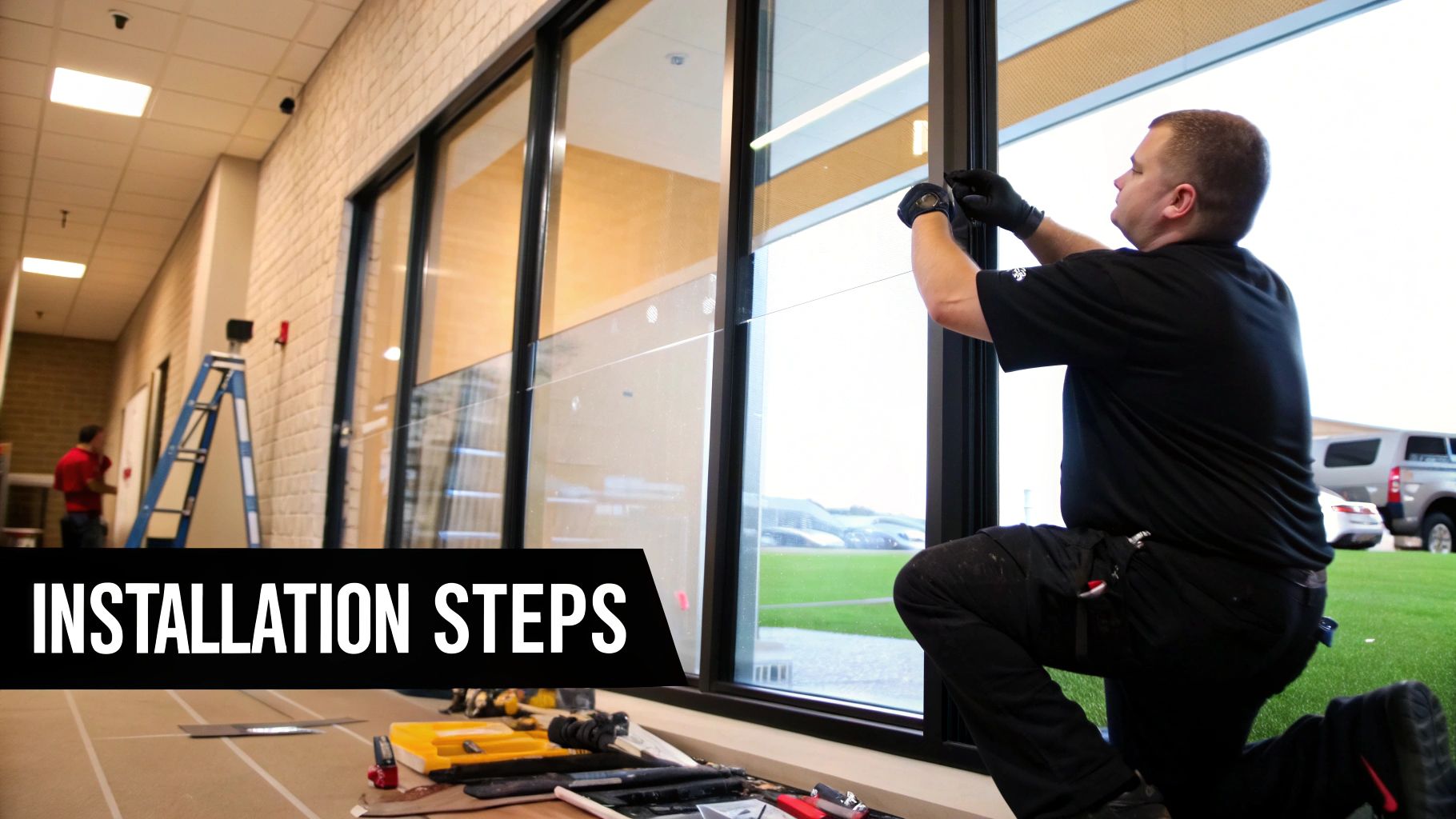
So what's actually included in that labor charge on your estimate? It's much more than just slapping a sheet of plastic on a window. Professional installers are charging for their time, meticulous skill, and deep expertise. This typically adds $2 to $6 per square foot to the total, and several things can push that number up or down.
Here’s what really drives the cost of labor:
- Window Preparation: The glass has to be absolutely, surgically clean. We're talking about removing every speck of dust, oil, and grime that could get between the film's adhesive and the glass. It's a surprisingly time-consuming but critical first step.
- Job Complexity: There's a big difference between installing film on ground-floor sliding doors and fourth-story office windows. Hard-to-reach glass, unique shapes like arches, or intricate French panes all require more time, specialized equipment, and a higher level of skill.
- Frame and Sealant Work: For the best possible protection, most top-tier installations use an attachment system that chemically bonds the film directly to the window frame with a structural silicone. This process, often called "wet glazing," makes it incredibly difficult to push the glass out of the frame, but it's a detailed process that adds to the labor time.
A professional installation isn't an expense—it's insurance for your investment. It guarantees the film will hold up under duress, providing the security you paid for when it matters most.
Adding Custom Features to Your Film
While a basic clear security film does its job well, many people choose to combine security with other features. These hybrid films solve multiple problems at once, but just like adding options to a new car, these upgrades will affect the final cost.
Here are some of the most common customizations people ask for:
- Solar Control Tints: This is a popular one. You get the same shatter resistance plus powerful heat-rejecting technology. It can dramatically lower your summer cooling bills, so it often pays for itself over time.
- Decorative and Privacy Films: You can get security film that’s also frosted, etched, or even has custom patterns. It’s perfect for adding privacy to conference rooms or street-level windows without sacrificing strength.
- Anti-Graffiti Layers: For commercial properties, this is a lifesaver. It’s a sacrificial outer layer that can be quickly peeled off if it gets tagged with paint or scratched, protecting the much more expensive security film underneath.
Each of these add-ons brings real value beyond just stopping a break-in. They might increase the upfront cost, but by tackling multiple issues with one product, they can often be a smarter and more cost-effective solution in the long run.
How To Calculate Your Return On Investment
It’s easy to look at the security window film cost as just another line item in your budget. But that's missing the forest for the trees. This isn't just an expense; it's a strategic investment in the safety and long-term value of your property. The real question isn't just "How much is this?" but "What do I get back for my money?"
The return on your investment comes from sidestepping much bigger, more expensive problems down the line.
Think about it: a single thwarted break-in could instantly pay for the entire installation. The average loss from a home burglary runs into the thousands, and that doesn't even touch on the emotional toll it takes. Security film is both a deterrent and a real physical barrier, making your property a much harder target for a quick smash-and-grab.
Beyond Break-In Prevention
But the financial upside doesn't stop with just keeping intruders out. Many security films pull double-duty, offering some powerful secondary benefits that add up to real savings over time. Your upfront cost starts to look a lot different when you factor these in.
Here are a few ways the investment pays you back:
- UV Damage Protection: Your windows are a gateway for the sun's harsh ultraviolet rays. Security film can block up to 99% of UV radiation, saving your floors, furniture, and artwork from fading and deteriorating. That’s a lot of replacement costs you get to avoid.
- Storm Damage Mitigation: When a storm hits, a broken window means flying glass and water damage. Security film is designed to hold shattered panes together, drastically reducing the risk of injury and protecting your home's interior from the elements.
- Potential Insurance Discounts: Your insurance company likes to see you take proactive steps to protect your property. Many providers offer a premium discount for professionally installed security film, so it’s always worth a call to your agent.
Quantifying Energy Savings
If you choose a solar control security film, you unlock another major source of ROI. These specialized films are engineered to reject a significant amount of solar heat, meaning your air conditioning doesn't have to work nearly as hard in the summer. The result? Lower energy bills, month after month.
This demand for energy-efficient upgrades is a huge reason the global window film market is booming. It grew to an estimated USD 17.57 billion in 2025, partly because of a push for green building technologies. You can dig into the numbers and trends in this detailed industry report.
Calculating ROI is about adding up all the costs you avoid—theft, storm repairs, faded furniture, and sky-high energy bills. When you see the full picture, the initial investment often looks like a bargain.
Ready to find out what the return could look like for your home or business? The best way to understand the numbers is to get a personalized estimate that's built around your specific property and security goals.
Smart Strategies To Manage Your Security Film Budget
Investing in security film doesn't mean you have to drain your bank account. If you go in with a clear plan, you can seriously boost your property's safety without letting the security window film cost spiral out of control. It all comes down to thinking strategically and putting your money where it matters most.
Let's be realistic: not all of your windows are created equal when it comes to risk. Rather than splurging on the thickest, most expensive film for every single pane of glass, focus on the high-threat areas first.
We're talking about ground-floor windows, glass doors, and any other entry point that looks like an easy target for a potential intruder. By funneling more of your budget into these vulnerable spots, you’re creating a much tougher perimeter where it counts.
Get The Best Value For Your Investment
Once you’ve mapped out your priority zones, the next move is to find the right installation partner at the right price. Don't rush this part—it can save you a lot of headaches and money down the road.
- Secure Multiple Quotes: Make it a rule to get at least three detailed estimates from reputable, certified installers. This is the best way to get a feel for the going market rate and spot any bids that seem unusually high or low.
- Inquire About Phased Installation: If the total cost is a bit steep for one go, ask potential installers if they’re open to a phased project. You could tackle the most critical windows now and circle back to the less vulnerable ones later on.
- Ask About Off-Season Discounts: Window film installation definitely has its busy and slow seasons. Some companies might offer better pricing during their off-peak months to keep their crews busy. It never hurts to ask!
An informed buyer is a smart buyer. Don’t hesitate to ask detailed questions about the film, the installation process, and potential financing options. A trustworthy company will be transparent and happy to explain the value they provide.
This kind of strategic thinking is especially vital for larger projects. You can see how these principles apply to protecting educational facilities in our guide to security window film for schools. By zeroing in on high-risk areas and carefully vetting your installers, you're not just spending money—you're making a smart investment in security.
Common Questions About Security Film Costs
It's natural to have questions when you're looking into a new security upgrade. To help you get a clear picture, we've put together some straight-to-the-point answers to the questions we hear most often about security window film costs and what the installation involves.
Is Thicker Security Film Always Better?
Not always. It's easy to think that thicker is automatically tougher, but it's really about smart application. While a heavy-duty 14-mil film is great for standing up to a determined intruder, it might be more than you need for a window on the second story.
The key is to match the film's thickness to the actual risk level of each window. For instance, a big sliding glass door on your ground floor is a prime target and needs a much stronger film than a small, hard-to-reach bathroom window. A professional will help you map out these risk zones, so you get the right protection where it counts without overspending.
The best strategy isn't just buying the thickest film you can find. It's about creating a balanced security plan by applying the right level of protection to the right areas of your property.
Can I Save Money With A DIY Installation?
It’s tempting to think about DIY to save a few dollars, but when it comes to security film, we strongly advise against it. Applying this film is a job that demands absolute precision. From getting the glass surgically clean to applying the film without a single flaw, any mistake can create a weak spot.
A bad installation often leads to bubbles, peeling edges, or a weak bond with the glass. This doesn't just look bad; it means the film won't perform when you're counting on it. More importantly, a DIY job will almost always void the manufacturer's warranty, which leaves you completely unprotected if the film fails. Professional installation is really an insurance policy for the product's performance.
What Warranty and Lifespan Can I Expect?
When you have a high-quality security film installed by a pro, it typically comes with a solid manufacturer's warranty. For homes, this is often a lifetime warranty that covers problems like bubbling, cracking, or peeling. For commercial buildings, you can usually expect a warranty in the 10 to 15-year range.
Think of it as a long-term investment. With just basic care, your security film will do its job for decades, giving you a lasting layer of protection without you having to worry about replacing it.
Ready to get a clear, no-obligation quote tailored to your specific needs? The experts at Fortress Security Films are here to help you design a security solution that fits your property and your budget. Get your free estimate today.
For a residential project in Burbank or greater Los Angeles, explore our residential security film service before requesting a property-specific quote.
