


Think of secondary glazing like adding a high-performance storm jacket over your everyday coat. It’s not about replacing what you already have; it's about adding a smart, protective layer on the inside. That’s the simple idea behind secondary glazing windows—a discreet second window installed on the interior side of your original one.
Understanding Secondary Glazing
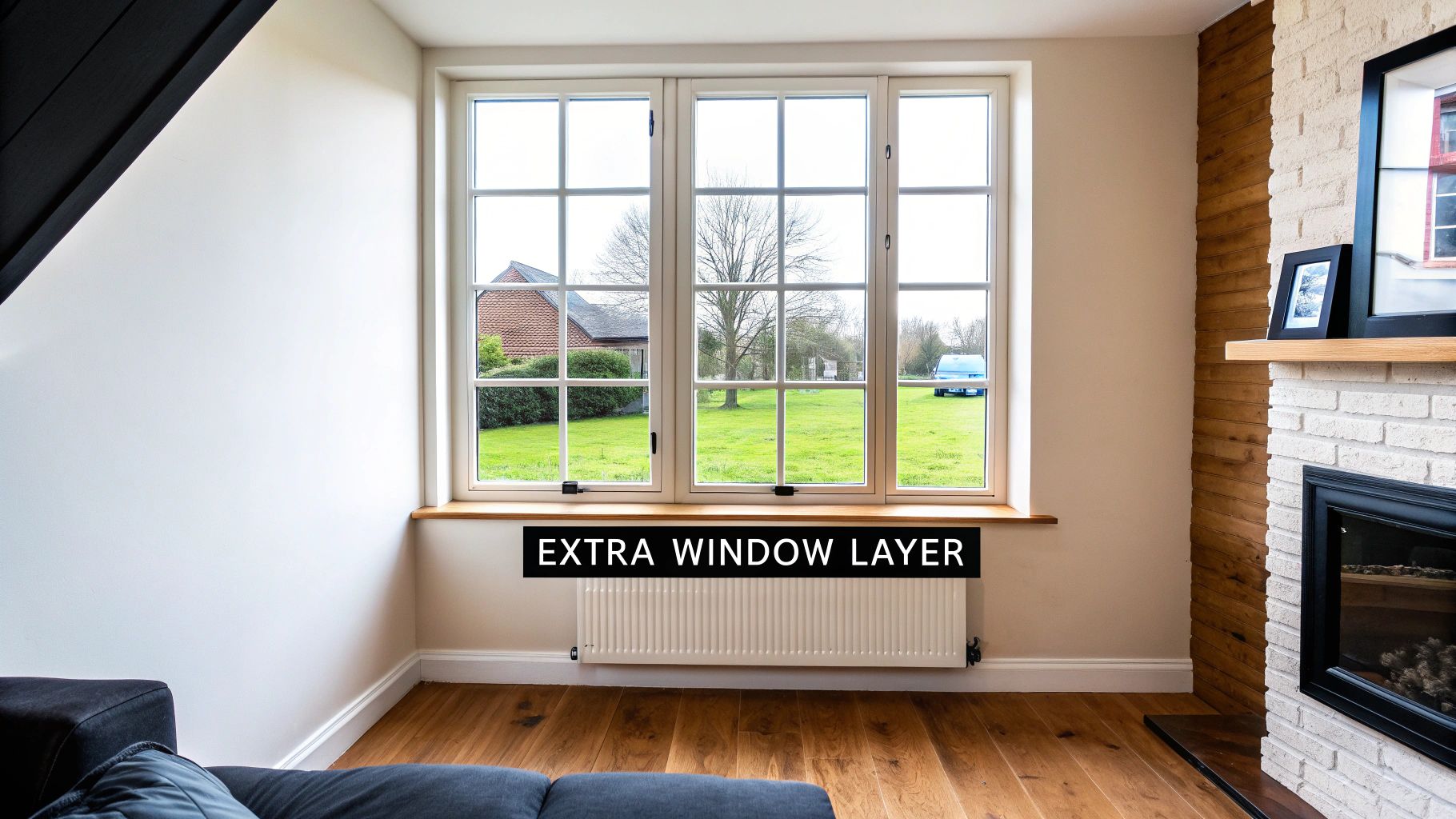
At its heart, secondary glazing is a brilliant, straightforward concept. We fit a slim, separate window frame—complete with its own pane of glass—directly inside your existing window. This creates a sealed air gap between the two panes, and that gap is where the magic happens. It acts as a powerful barrier, tackling three of the biggest homeowner headaches without the mess and expense of a full window replacement.
A single pane of glass is a poor defender against the elements and outside noise. But when you add that second pane and trap a layer of still air, you create a highly effective buffer. This "window for your window" dramatically slows down heat trying to escape and deadens sound waves before they ever get into your room.
The Core Purpose of a Second Window
Why do people choose this route? The goals are usually very clear and the results are almost immediate. Homeowners and building managers look to secondary glazing for practical, noticeable upgrades to their space.
The main objectives are:
- Thermal Insulation: It’s a game-changer for keeping heat in during the winter and out during the summer. This means lower energy bills and a much more comfortable home year-round.
- Acoustic Insulation: If you’re tired of hearing traffic, loud neighbours, or nearby construction, this is your solution. It significantly muffles outside noise, creating a calmer, quieter indoor environment.
- Enhanced Security: It’s a simple deterrent. An extra physical barrier makes it much harder and noisier for a potential intruder to break in.
This solution is a lifesaver for properties where you can’t simply rip out the old windows. Think of listed or heritage buildings, where preserving the original architectural character isn't just a preference—it's a requirement.
Secondary glazing offers a modern performance upgrade while respecting the character of a building's original facade. It’s a non-invasive solution that delivers results without compromise.
A Growing Market for Efficiency and Security
The benefits haven't gone unnoticed. As people push for more energy-efficient and secure buildings globally, secondary glazing has become a go-to solution. The broader market for advanced glass is projected to hit around $90.2 billion by 2026.
More specifically, the dedicated secondary glazing market is set to more than double, reaching an estimated $2.5 billion by 2033, all because it just works. You can explore more about the advanced glass market's growth and see for yourself. This trend really highlights its value as a smart, high-return investment for anyone wanting to get more out of their existing windows.
Finding the Right Secondary Glazing System
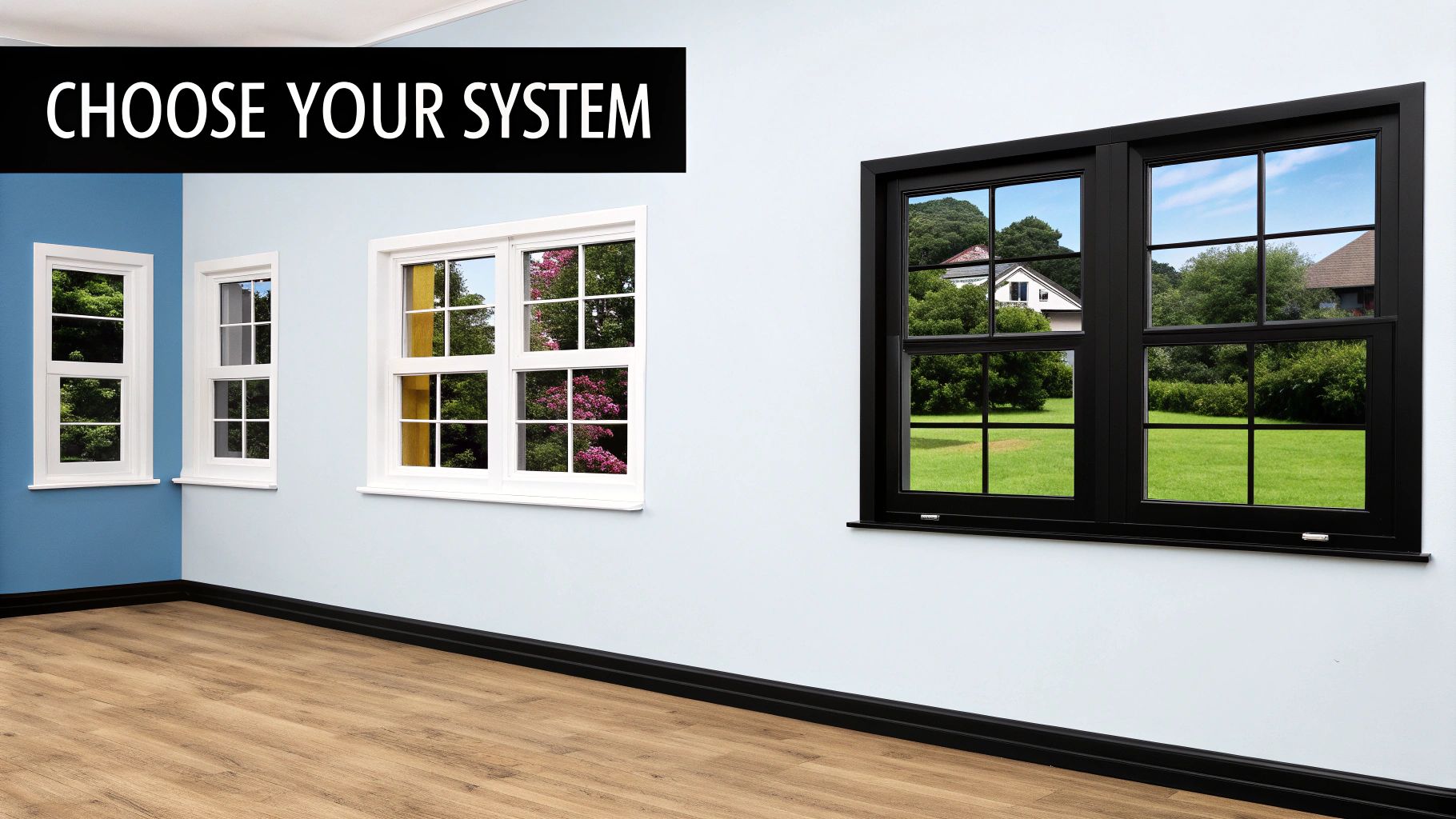
Just like there's a specific key for every lock, there's a secondary glazing system designed to fit every type of window. The whole point is to find a system that mimics how your original window works. This way, you get all the new benefits without losing the convenience or look you're used to.
Getting this choice right is probably the most important part of the process. Think of it like buying a perfectly tailored suit jacket to go over a shirt—it should fit so well that it feels like part of the original outfit. The goal is to make the new window so subtle you barely notice it's there, while you quietly enjoy the peace, warmth, and security it brings.
Systems That Complement Your Existing Windows
The best secondary glazing windows are the ones that blend right into your daily routine. A good installer won't just sell you a one-size-fits-all solution; they’ll look at how your current windows open and move, then recommend a system that adds a new layer of performance without getting in the way.
Here’s a look at the most common types and what they’re used for:
- Fixed Units: This is the most straightforward option. It's basically a sealed, non-opening panel, perfect for windows you never open anyway—think decorative glass or high-up panes. Because it’s fixed, it creates an airtight seal that offers incredible thermal and acoustic insulation.
- Hinged Units: These work just like a typical casement window, swinging open on side hinges. They are the go-to choice for any standard window that opens inwards or outwards, giving you easy access for cleaning and letting in fresh air.
- Sliding Units: If you have traditional sash windows or modern sliders, this is your match. Available in both horizontal and vertical sliding designs, they run on smooth tracks to mirror your main window’s movement seamlessly.
- Lift-Out Units: A really practical, budget-friendly choice for windows you only need to access once in a while. The whole secondary panel can be lifted out of its frame, which is great for a deep clean or for removing it completely during the summer.
There's also another clever option: magnetic systems. These use strong magnetic strips to attach a lightweight acrylic panel to your window frame. It's a popular DIY choice for smaller windows because you can just peel it off whenever you want.
To help you get a clear picture, here's a quick comparison of the most common secondary glazing systems. Think of this as a starting point to figure out the best fit for your home or business.
Secondary Glazing Types at a Glance
| Glazing Type | Best For | How It Works | Key Benefit |
|---|---|---|---|
| Fixed | Picture windows, hard-to-reach panes | A sealed, non-opening pane is permanently fixed in place. | Maximum thermal & acoustic insulation |
| Hinged | Casement-style windows | Swings open like a door on side or top hinges. | Easy access for cleaning and ventilation |
| Sliding | Sash windows, modern sliders | Panels slide horizontally or vertically on tracks. | Mirrors the function of the original window |
| Lift-Out | Windows needing occasional access | The entire glazed panel can be lifted out of its frame. | Cost-effective and removable for summer |
Ultimately, the right system ensures you don't have to fight with your windows to get some fresh air. It should feel natural and intuitive.
Matching Form to Function
Choosing the right system goes beyond just matching how a window opens; it’s about respecting the building's character. If you live in a period property with beautiful original sash windows, a vertical sliding system is the only real choice to preserve both the look and the function. On the other hand, a modern apartment with huge floor-to-ceiling windows would be better served by minimalist fixed units that don’t distract from the view.
The most successful secondary glazing installation is one you don't notice. It should blend into the existing frame, operate intuitively, and deliver its benefits quietly in the background.
Take a retail shop on a noisy high street. The main worry might be a smash-and-grab robbery. Here, a heavy-duty fixed secondary glazing unit acts as a powerful physical barrier. This setup can be made even tougher, and it’s worth noting that for those exploring all security options, understanding the details of a professional window security film installation can show how different layers of protection can work in tandem.
By carefully matching the system to the window, you ensure your new secondary glazing windows deliver on their promise of a better, safer space without messing with the style you love.
So, What Are The Real Benefits?
On the surface, adding a second window sounds simple. But the real-world impact is anything but. Secondary glazing offers a powerful trio of benefits—warmth, quiet, and security—that tackle some of the most frustrating problems property owners face. These aren't just small tweaks; they completely change the feel and function of a room.
The magic all comes down to one core principle: the insulating pocket of air trapped between your original window and the new internal one. This still air gap creates a surprisingly tough barrier that works around the clock to make your space better. Let's dig into how it actually works.
A Warmer Home and Lower Energy Bills
If you have single-pane windows, you know they're a major weak spot. In winter, they practically bleed heat, and in summer, they let the heat pour in. This constant struggle means your heating and cooling systems are always working overtime, and your energy bills show it.
Secondary glazing tackles this head-on. That trapped air gap acts as an insulator, slowing heat transfer right down. It’s a bit like a thermos flask for your house—it helps keep the inside temperature stable, no matter what’s happening outside. You stay warmer in the winter and cooler in the summer.
This translates directly to your wallet. Cutting heat loss through your windows by 10–20% can lead to significant annual savings, especially if you have a larger property. It’s no surprise the market for energy-efficient windows is set to grow from USD 12.4 billion in 2025 to USD 28.0 billion by 2035. It just makes sense. You can discover more insights about the energy-efficient windows market and its growth.
A Quieter, More Peaceful Space
There’s nothing worse than constant noise from traffic, construction, or loud neighbors ruining your peace and quiet. Sound waves travel easily through a single pane of glass, bringing the outside world right into your living room.
This is where secondary glazing is a game-changer. The air gap between the two panes of glass disrupts and dampens sound waves, effectively muffling noise before it ever reaches you. And the wider that gap is, the better the soundproofing.
With a well-installed system, you can reduce noise levels by up to 54 decibels. That’s enough to transform the roar of a busy road into a faint, distant hum.
This acoustic insulation makes a huge difference. It helps create a focused work-from-home environment, a more relaxing living space, and a much better night's sleep. For homes, schools, or shops in bustling areas, this isn’t just a nice-to-have; it's essential.
A Serious Boost in Window Security
Let’s be honest: windows are often the weakest link in a property's security. A single pane of glass is quick and quiet to break, giving an intruder an easy way in. Secondary glazing immediately adds a second, formidable physical barrier.
A would-be burglar now has to get through two separate panes of glass. That’s a lot louder, harder, and takes much more time—and time is something they don’t have. Often, just the sight of secondary glazing windows is enough to make them move on to an easier target.
If you’re looking for top-tier protection, you can even take it a step further. Combining secondary glazing with security films on the original window creates an incredibly tough defense. The film holds the broken glass of the first pane together, and the intruder still has to deal with the second pane. This dual-barrier system buys you and the police critical time to respond.
Where Secondary Glazing Really Shines
Secondary glazing is a fantastic upgrade, but it's not a one-size-fits-all solution. Its real genius comes to the forefront in specific, often tricky, situations where other options just won't work. For some buildings, adding secondary glazing windows isn't just a smart move—it's the only practical way forward.
These aren't just niche cases. They range from protecting our most precious historic buildings to making our schools and shops safer and more comfortable. Let’s look at the places where this clever solution truly proves its worth.
Protecting Listed and Heritage Buildings
Picture a gorgeous Georgian townhouse or a Victorian villa, complete with its original, single-pane sash windows. They’re stunning, absolutely essential to the building's character, but they're also leaky, draughty, and offer next to no security. The real headache? Strict planning regulations often make replacing them completely impossible.
This is where secondary glazing becomes the hero of the story. It elegantly solves the puzzle by letting you:
- Preserve Original Windows: The building's historic exterior remains untouched, keeping conservation officers happy.
- Meet Modern Standards: On the inside, you get a huge boost in thermal and acoustic insulation, bringing the comfort level into the 21st century.
- Add Discreet Security: You gain an extra barrier against intruders without altering the building’s precious historic fabric.
For anyone managing a listed property, secondary glazing is often less of a choice and more of an essential tool. It’s the perfect compromise between preservation and performance.
Securing Commercial and Retail Spaces
High-street shops with big, inviting display windows are a magnet for smash-and-grab burglaries. A standard pane of glass shatters in an instant, but replacing it with high-spec laminated glass is a major expense and can cause significant disruption to business.
This is where secondary glazing offers a tough, cost-effective security boost. It creates a formidable second line of defence that's loud and difficult to get through, giving would-be thieves a serious reason to give up and move on. That extra delay is often all it takes. As a bonus, in busy city centres, the acoustic insulation helps quiet down the constant traffic noise, creating a much more pleasant experience for both shoppers and staff.
Secondary glazing first gained traction in places with lots of older buildings where full window replacement was off the table. Now, it’s a key part of modern security and energy plans, letting us enhance impact resistance and cut down noise while keeping a building's character intact.
Enhancing Educational Environments
Schools, colleges, and universities are another perfect fit. Many are housed in older buildings right next to busy roads, which means draughty, poorly insulated windows are the norm. This leads to distracting classrooms and sky-high heating bills.
By installing secondary glazing windows, schools can create quieter, more focused learning spaces. The thermal barrier also slashes energy bills, freeing up tight budgets for books and other resources. Crucially, it adds a much-needed layer of security, making it tougher for intruders to gain access.
This is particularly important in areas that face extreme weather. For an even greater degree of safety, combining secondary glazing with a product like specialized window film for hurricane protection creates a truly robust, layered defence system. This approach helps turn our schools into the safe, secure sanctuaries they need to be.
Comparing Your Window Upgrade Options
When it's time to upgrade your windows, you're faced with a few key choices. Finding the right fit means weighing up performance, cost, and how the final result will look. Let's break down the main options to help you figure out what makes the most sense for your property.
We'll compare secondary glazing against a full double glazing replacement, looking at the real-world differences in price, installation hassle, and suitability for older, protected buildings. Then, we’ll see how it measures up against security film alone and, finally, explore why a combined approach might be the strongest solution of all.
This flowchart can help you navigate the decision-making process based on your property type and biggest concerns.
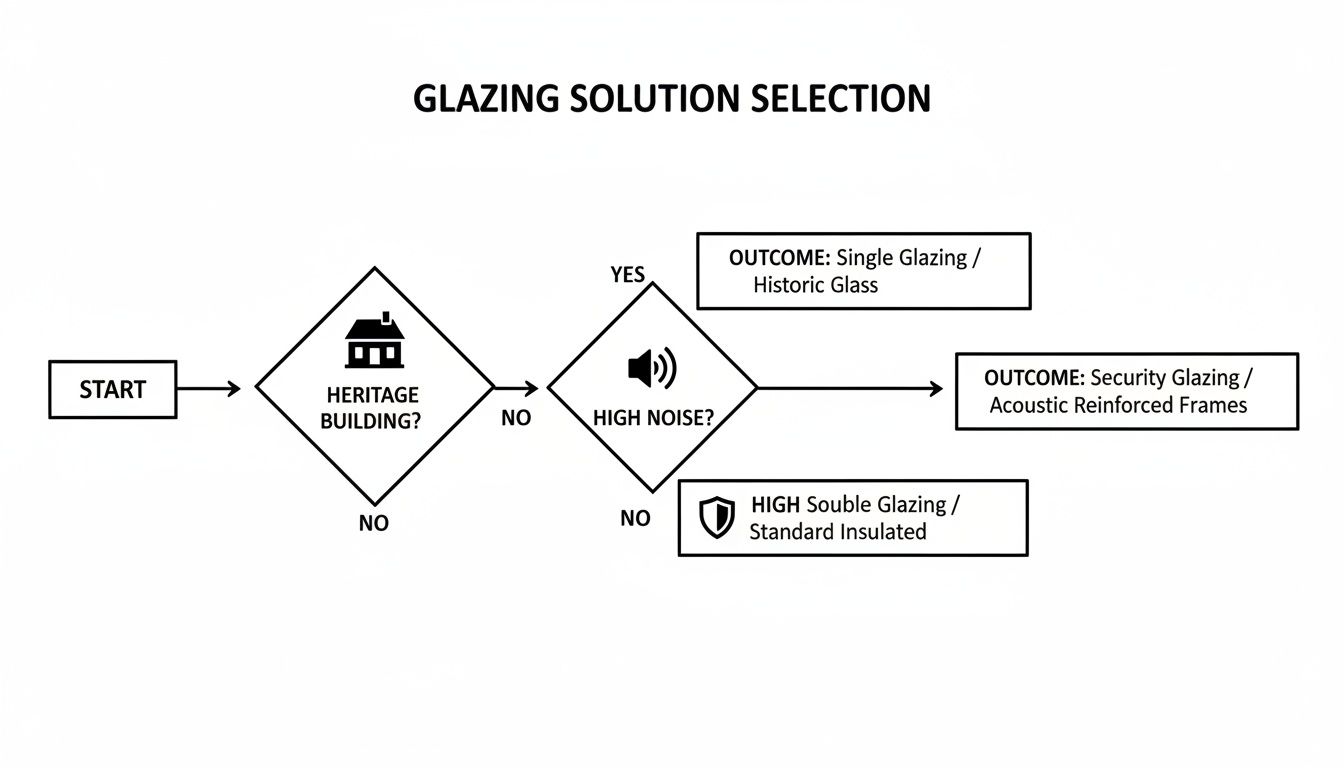
As you can see, for heritage buildings or homes where cutting down noise is the number one goal, secondary glazing often emerges as the most practical and permitted choice.
Secondary Glazing vs. Double Glazing Replacement
This is the classic debate. Do you add a second window pane on the inside, or do you rip everything out and start fresh with brand-new double glazing? Think of it like this: secondary glazing is a major interior upgrade, while double glazing replacement is a full-scale renovation.
Double glazing replacement means tearing out the entire existing window—the frame, the sill, everything—and fitting a new, sealed unit with two panes of glass. It’s fantastic for thermal efficiency and is the go-to for new constructions. But it's also costly, messy, and often a non-starter for listed buildings or properties in conservation areas.
Secondary glazing, on the other hand, leaves your original windows completely intact. A slim, second window is fitted on the inside. This makes the whole process faster, more budget-friendly, and perfect for buildings where you can't—or don't want to—change the exterior look.
While modern double glazing often has a slight edge in thermal performance (a lower U-value), secondary glazing typically wins hands-down on noise reduction. The wider air gap between the old and new panes is simply better at blocking sound waves.
When planning your upgrades, it's smart to compare secondary glazing with other energy efficient home upgrades to see where you can get the biggest impact on your comfort and bills.
Secondary Glazing vs. Security Film
This isn't really an either/or choice; it's about understanding what each solution is designed to do. Security film is an incredibly thin, transparent sheet that’s applied directly to your existing glass. Its main job is to hold the glass together if it’s shattered, which slows down intruders and stops dangerous shards from flying everywhere.
It's a fantastic, almost invisible first line of defence against break-ins. But here's the catch: security film alone does very little for heat loss or noise. That's where secondary glazing comes in.
- Security Film Alone: Gives you great impact resistance and anti-shatter protection.
- Secondary Glazing Alone: Delivers top-notch thermal and acoustic insulation, plus another physical barrier.
They tackle different problems. Security film makes your existing glass tougher, while secondary glazing adds a completely separate layer of defence and comfort.
The Ultimate Solution: A Combined Strategy
So, why force yourself to choose between security, warmth, and a quiet space? The best approach often involves combining these technologies to create a multi-layered system that covers all the bases.
Picture this: an intruder tries to smash your window. The outer pane, reinforced with security film, cracks but stays in one piece. Frustrated and delayed, they now face an entirely separate, second pane of glass—the secondary glazing. This one-two punch is an incredibly powerful deterrent that's extremely tough to get through.
This layered system gives you:
- Top-Tier Security: Impact resistance from the film plus a second physical barrier.
- Maximum Insulation: All the thermal and acoustic benefits of secondary glazing.
- Preserved Aesthetics: Both solutions are discreet and keep your property's original character.
By pairing security film with secondary glazing, you’re creating an environment that’s as quiet, comfortable, and secure as it gets.
Solution Comparison: Window Upgrades
To make the decision clearer, here’s a side-by-side look at how each option performs across the board.
| Feature | Secondary Glazing | Double Glazing Replacement | Security Film Only |
|---|---|---|---|
| Noise Reduction | Excellent | Good | Negligible |
| Thermal Insulation | Very Good | Excellent | Minimal |
| Security | Good (Physical Barrier) | Good (Modern Locking) | Excellent (Impact Resistance) |
| Cost | Medium | High | Low |
| Installation | Low Disruption (No structural changes) | High Disruption (Requires removing old windows) | Low Disruption (Applied to existing glass) |
| Heritage Buildings | Ideal (Preserves original windows) | Often Not Permitted | Permitted (Invisible) |
| Best For | Listed buildings, noise pollution, balanced performance | New builds, major renovations, maximum thermal efficiency | A quick security boost, anti-shatter safety |
In the end, the right choice comes down to your specific needs. If you live in a protected building or are battling traffic noise, secondary glazing is a clear winner. For maximum security on a budget, film is a great start. But for the ultimate in peace, warmth, and peace of mind, combining them is the unbeatable solution.
Planning Your Installation and Budget
Alright, let's get down to the practical side of things. Kicking off a window upgrade is a significant project, and having a solid plan is half the battle. If you get a handle on the costs, the rules, and how to spot a top-notch installer, your investment in secondary glazing windows will pay off beautifully. Think of this as your roadmap to a successful installation.
The first question on everyone's mind is, "What's this going to cost me?" The honest answer is: it depends. The final price isn't a simple off-the-shelf number. It’s shaped by a few key things, like the size and number of windows you're covering, the system you pick (a simple fixed panel costs less than a smooth-operating slider), and the type of glass you need for your specific goals—be it warmth, quiet, or security.
Understanding Building Regulations
Here's one of the best parts about secondary glazing: it's incredibly straightforward when it comes to rules and regulations. Since you’re adding a discreet pane on the inside of your existing window, you aren't changing the building's external appearance at all. That means planning permission is typically not required.
This is a massive advantage, especially for:
- Listed Buildings: Where the original, historic windows are untouchable.
- Conservation Areas: Where every external detail is carefully protected.
- Rented Properties: Where landlords often forbid permanent structural changes.
This regulatory loophole is precisely why secondary glazing is the hero for so many heritage properties. It lets you bring 21st-century comfort to a centuries-old building without getting tangled in red tape.
Finding a Qualified Installer
Now, this is crucial. You can buy the best system in the world, but if it's installed poorly, you've wasted your money. A bad fit means drafts, condensation, and none of the benefits you were promised. The secret is knowing what to ask before you hire someone.
A perfect seal is the cornerstone of effective secondary glazing. It’s what locks in the thermal and acoustic benefits, transforming a simple pane of glass into a high-performance barrier.
When you're talking to potential installers, have a few key questions ready. A professional job hinges on a perfect seal, and understanding proper caulking techniques can help you spot someone who truly knows their craft.
Here’s a good starting list for your conversation:
- What frame materials do you offer? (Aluminum and timber are common, each with different looks and benefits.)
- What is the warranty on the frames and the installation? (You want a guarantee on both the product and the workmanship.)
- How do you ensure a completely airtight seal? (Listen for details about gaskets, seals, and precise measurements.)
- Can you provide references from similar projects? (And don't be afraid to actually call them!)
Getting solid answers here will give you the confidence that your new secondary glazing windows will perform as they should for years to come. If you're still weighing your options, it's also smart to look at the numbers for other solutions; this guide to security window film cost can give you a different perspective on how to best invest in your property's security and comfort.
Common Questions About Secondary Glazing
Making a big change to your property, especially one involving windows, naturally comes with a lot of questions. When people start looking into secondary glazing windows, I’ve found they tend to worry about the same things: how it will look, how it works day-to-day, and how it really compares to other options.
This is particularly true if you own a period property or a listed building. The last thing you want is for a security upgrade to strip away the character you fell in love with. Let’s get straight to the point and answer those common questions.
Will It Ruin the Look of My Windows?
This is easily the number one concern I hear, and for good reason. Thankfully, modern secondary glazing is designed from the ground up to be as unobtrusive as possible. The whole point is to add performance without taking away character.
The frames are made from a very slim aluminum profile, which can be powder-coated in any color to perfectly match your existing window frames—wood, uPVC, or metal. When a professional fits it, the new unit sits discreetly on the inside of your window reveal, blending in so seamlessly that you’ll barely notice it’s there.
The best secondary glazing installation is one you forget is even there. It preserves the charm and character of your original windows while adding a layer of modern performance.
Can I Still Open My Windows After Installation?
Of course. You shouldn’t have to trade fresh air for a quieter, warmer home. Any good system is designed to match the way your original windows operate.
It's a pretty straightforward concept:
- For Sliding Sash Windows: We install a vertical sliding unit that moves up and down just like the original sash.
- For Casement Windows: A hinged unit is fitted, allowing the pane to swing open for ventilation and easy cleaning.
- For Tilt-and-Turn Windows: There are even custom-made systems that can mimic this unique dual-action movement.
The only time you can't open the window is if you opt for a fixed unit. This is simply a non-opening panel, and it's really only suited for windows you never open anyway, like a decorative high-level pane.
How Does It Compare to Security Film for Break-Ins?
Great question. They both boost security, but they go about it in very different ways. It’s more helpful to think of them as two different tools in your security toolbox, not direct competitors.
Security film is a laminate applied directly to your existing glass. If a burglar tries to smash it, the film holds the shards together, making it much harder and slower to get through. Secondary glazing, on the other hand, adds an entirely separate, second physical barrier.
For maximum protection, you can actually use both. By installing security film on your primary window and then adding a secondary glazed unit behind it, you create a seriously tough obstacle. It’s a combination that’s incredibly difficult for an intruder to defeat quickly or quietly.
At Fortress Security Films, we specialize in creating layered security solutions that protect your property without compromising its appearance. Learn how our advanced security films can work with your windows to provide peace of mind.
